All ProjectsProjects related to "International Collaboration"9 total
International Collaboration
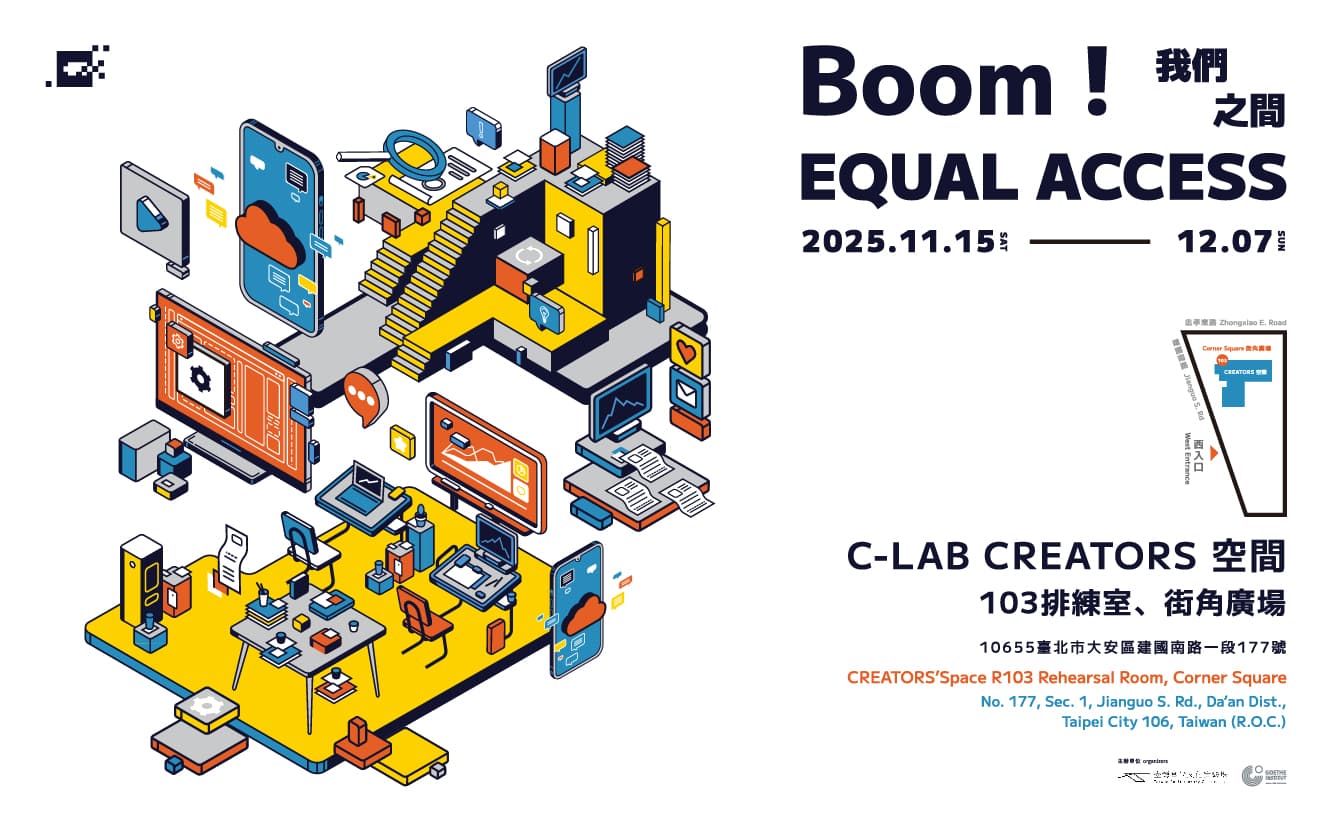
【Boom! EQUAL ACCESS】Exhibition
Boom! Equal Access extends from Boom! in Taiwan, a project initiated by the Goethe-Institut Taipei, Taiwan Contemporary Culture Lab (C-LAB), and Berlin-based Tactical Tech, in collaboration with local intergenerational learning platform Medium Well (七分熟). Focusing on the experiences of seniors aged 65 and above, the exhibition explores how they navigate a rapidly digitalizing world—where they are among the most active internet users, yet often left behind by the speed of technological change.
International Collaboration
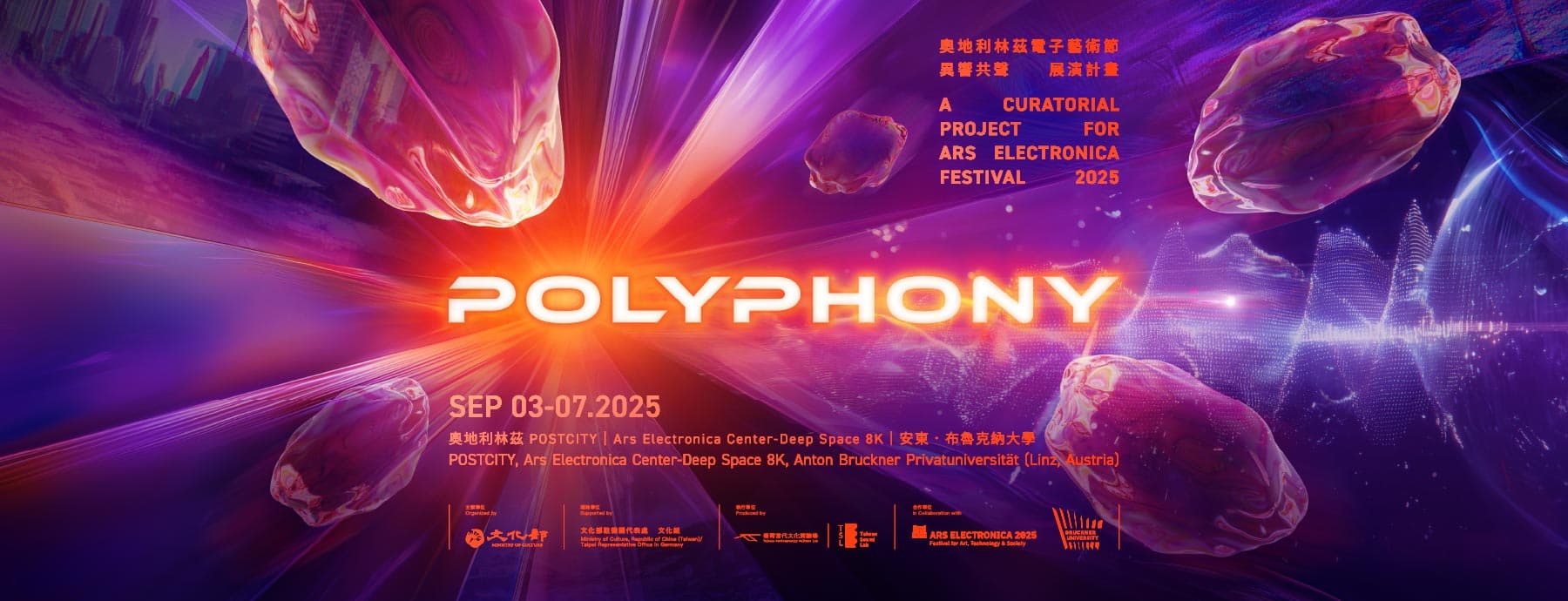
2025 Ars Electronica Festival: Polyphony
本屆林茲電子藝術節以「PANIC – yes/no」主題回應瞬息萬變的慌亂當代,「異響共聲」展演計畫亦呼應主題傳達對於國際局勢、地緣政經、自然氣候變化、傳統之在地與國際當代文化碰撞交融、新科技拓延新感知等對未來無限的探索、挑戰與關懷。
International Collaboration
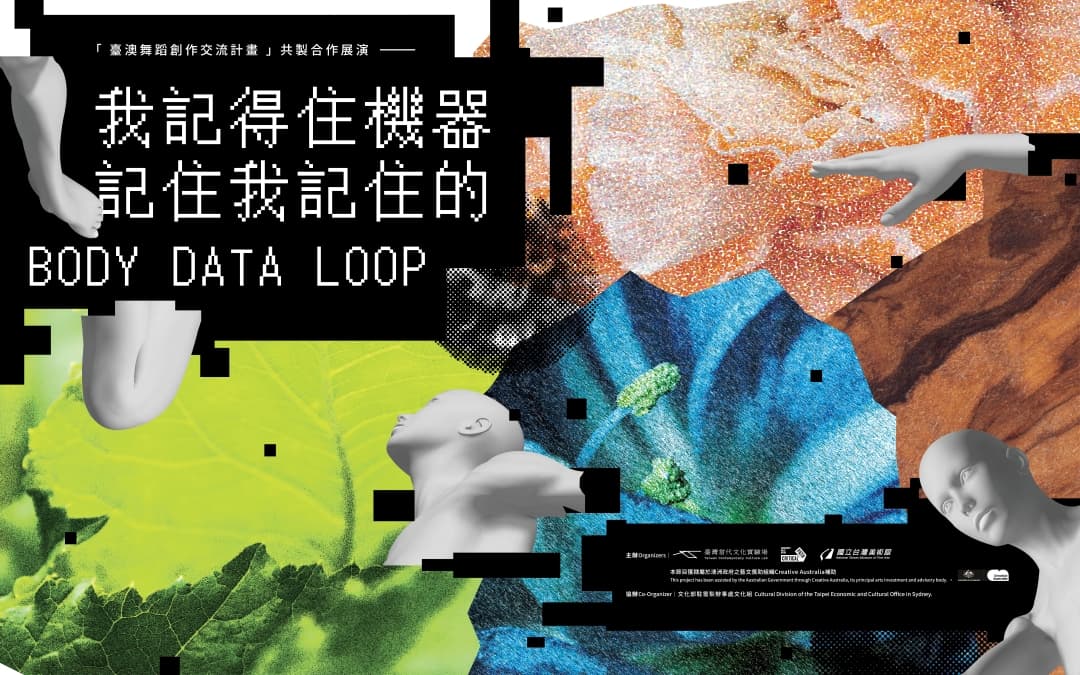
《BODY-DATA-LOOP》
Body-Data Loop is a 3-year cross-cultural collaboration between Australia and Taiwan, featuring a live performance and installation. By combining language, dance, telecommunications, and projection, artists blur boundaries as human bodies are interpolated into data points. Their repetitive movements leave lingering shadows within the installation, creating an uncanny movement logic. Ultimately, the work collapses time, space, and self into a communal, ever-present memory held by the machine, where pluralism becomes the default state of being.
International Collaboration
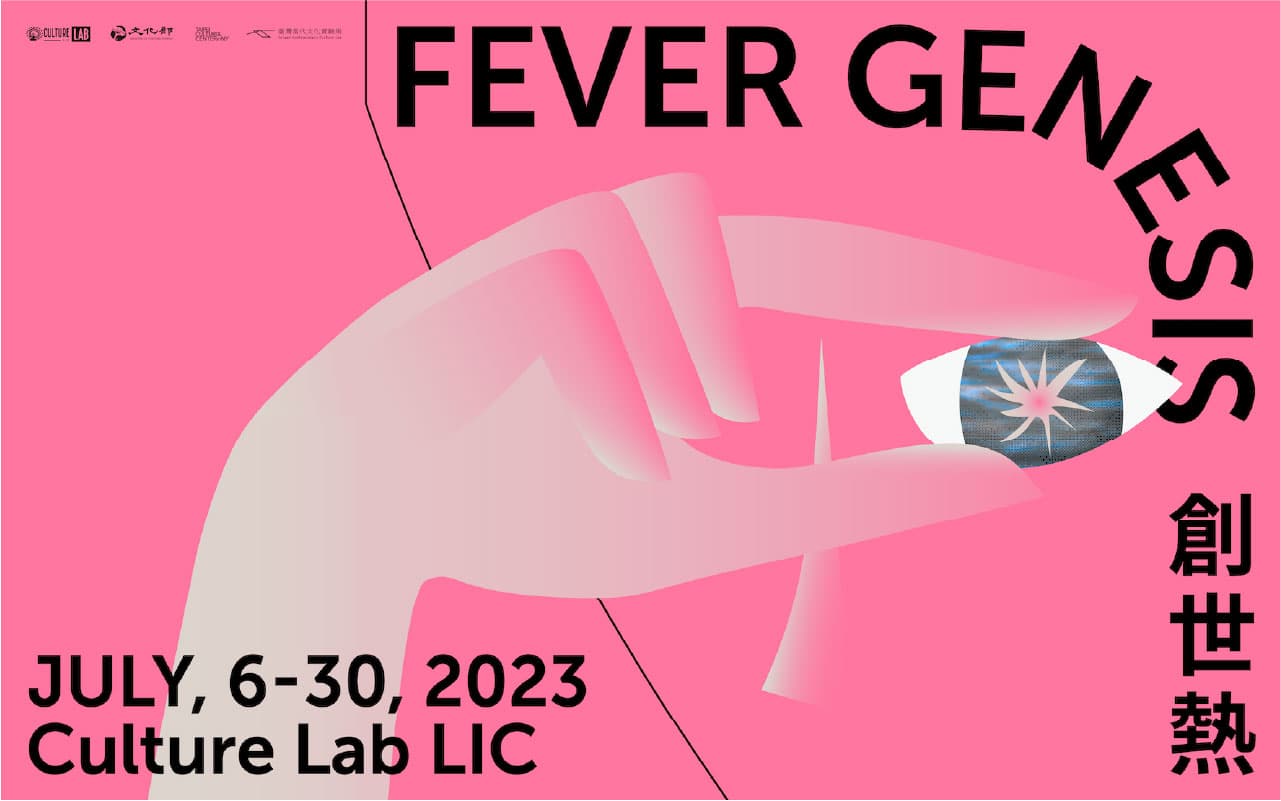
Fever Genesis
Fever Genesis invokes the metaphor of Genesis to explore humanity's relentless pursuit of technology and art, questioning the unknown consequences of progress. Against Taiwan's unique geopolitical context, six Taiwanese artists—LI Yi-Fan, HU Nung-Hsin, LIN Tzu-Huan, WU Chia-Yun, WU Chi-Yu, and CHANG Li-Ren—use video, film, and installation to address species evolution, digital tools, environmental fragility, urban reality, and world-weariness. Reflecting on imperialism and consumerism, the exhibition highlights Taiwanese creators' passion for "creation" while advocating for ESG sustainability and voicing concerns over technological expansion, AI, and climate crisis. Ultimately, it offers a speculative journey into the relations between technology, art, and society.
International Collaboration
Independent Art Spaces of Taiwan|Public Programs
The Independent Art Spaces of Taiwan (IAST) is a research project undertaken by the Hong Kong-based Asia Art Archive (AAA) in Taiwan, which aims to collate primary sources and construct a documentary archive of independent art spaces in Taiwan from the 1980s to the early 21st century. In the course of this project, C-LAB will co-organize a series of public programs with AAA, so as to expand the research results and promote multilateral dialogues. We seek to forge connections among art spaces, art practitioners, and art historians on the basis of the phased results of this project. Through public sharing and exchange in the forms of talk, workshop, and forum, we expect to stimulate discussions on the history of art spaces as well as to investigate the issues and methodologies involved in art archives in the digital age.
- 2024/10/13
Introducing the Space II Archive—and How it became a Movement
- 2022/11/26
“ET@T” in the 90s and Its Dispositif of Images
- 2024/06/30
Introducing the Shin Leh Yuan Art Space Archive
- 2024/01/20
Introducing the Up Art Gallery Archive and Sin Pin Pier Archive
- 2023/05/20
Transmuting and Expanding: Re-exploring the Art Archives of YEH Shih-Chiang
- 2022/10/23
The Fringe Land of Milk and Honey in the South—Reviewing the Development of Independent Art Spaces in the 90s
- 2023/02/10
Modes and Methods: Digitising Mrinalini MUKHERJEE’s Archive
- 2023/10/28
Institutional Self-Archiving: The Establishment and Challenges of TFAM Archives
- 2023/09/02
The Difficulties of Archives: Archive Fever in Contemporary Art
- 2023/10/14
The Archivist and the Artist as Archivist
International Collaboration
2022-2024 Taiwan and Australia Choreography Exchange Program
The Taiwan Contemporary Culture Lab (C-LAB), the Cultural Division of the Taipei Economic and Cultural Office in Sydney, Australia, and Australia’s Critical Path have been co-organizing the 2022-2024 Taiwan and Australia Choreography Exchange Program. This program is open to creators from Taiwan with a background in choreography or digital technology.
International Collaboration
Returning:Chapter2
Co-curated by the Sydney Opera House and C-LAB, Returning: Chapter 2 expands on the 2021 digital art project with works by four Australian and Taiwanese artists responding to recent global crises. Exploring autobiography, mythology, and culture through the body, music, and the virtual, the artists create scenes reflecting innocence, rage, despair, and imagination. Their provocative, open-ended works challenge viewers to critically engage with the world, offering a vision for how we return to society, each other, and ourselves. The project is supported by Taiwan’s Ministry of Culture and TECO Sydney.
International Collaboration
The 13th Gwangju Biennale Pavilion Project – Double Echoing
Titled Double Echoing, this exhibition explores the parallel modern histories of Taiwan and South Korea, addressing their shared experiences with war, colonization, repressive rule, Cold War alignment, and democratization. Through a cross-institutional collaboration between C-LAB, the National Human Rights Museum, and the Gwangju Biennale, 14 artists examine body politics, human rights, the White Terror, and transitional justice. Re-commissioning four works from the Green Island Human Rights Art Festival on the 40th anniversary of the Gwangju Uprising, the exhibition uses art to give voice to suppressed narratives, reflect on Cold War legacies, and envision a freer future.
International Collaboration
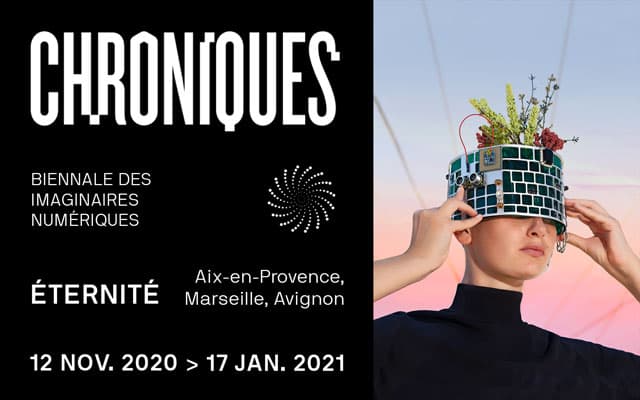
CHRONIQUES – Biennale of Digital Imagination
Taiwan has evolved from a tech manufacturing hub into a vibrant "culture and technology island." Blending technological innovation with cultural identity, Taiwanese artists leverage AI, VR/AR, and new media to address contemporary social issues. As the guest of honor at France’s CHRONIQUES Biennale, C-LAB and Kaohsiung's VR FILM LAB present 12 artists exploring the theme "ETERNITY." Through exhibitions, performances, and screenings, Taiwan showcases its cultural soft power and technological expertise, actively advancing global exchanges in media arts for the post-pandemic era.